Heat treatment, also known as quenching, involves rapidly cooling a metal workpiece to achieve a desired hardness and strength. This rapid cooling is typically accomplished by immersing the workpiece into a quenching oil at specific temperatures. The resulting microstructure of the metal is crucial to its final properties.
The quality of the quenching oil used in this process is paramount, as it directly affects the outcome of the heat treatment. To ensure consistent and high-quality results, the oil must be regularly analyzed and tested to meet the specific requirements of the application.
The scope of analysis for quenching oil can vary depending on the quality system, standards, or specifications being followed. For example, industry-specific standards such as QHB (Toyota) and CQI-9 (Ford) often mandate that quenching oil used in heat treatment processes be analyzed at least twice a year.
Features
Quenching oil analysis is to ensuring the quality and performance of quenching oils in heat treatment processes.
- Cooling Characteristic
- Carbon residue
- Flash point
- Kinematic Viscosity
- Water content
- H value
- Total acid value
Types
 Kinematic ViscosityDetails The viscosity of oil is a critical factor influencing the stability and efficiency of industrial processes. Oils
 Flash pointDetails The flash point is a key method for detecting contamination in different types of oils, particularly fuel contam
 Coulometer Karl FischerDetails Water contamination in oil directly affects production efficiency and quality, leading to various issues: Surfac
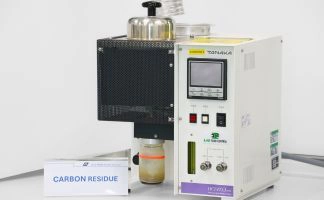 Carbon residueDetails The residual carbon content in oil is influenced by various factors, including external contaminants such as met
 Total Acid ValueDetails The Total Acid Number (TAN) is an indicator of oil degradation, reflecting the total acid content present in the
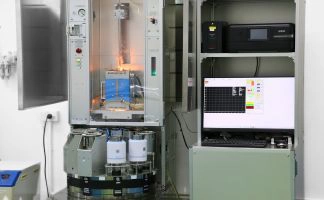 Cooling CharacteristicDetails The working principle of the machine simulates the Quenching process, using a Silver Stick as a representative w
The quality of quenching oils in rapid cooling processes is critical for successful heat treatment. Regular quality checks are essential to maintain consistency and meet part specifications.